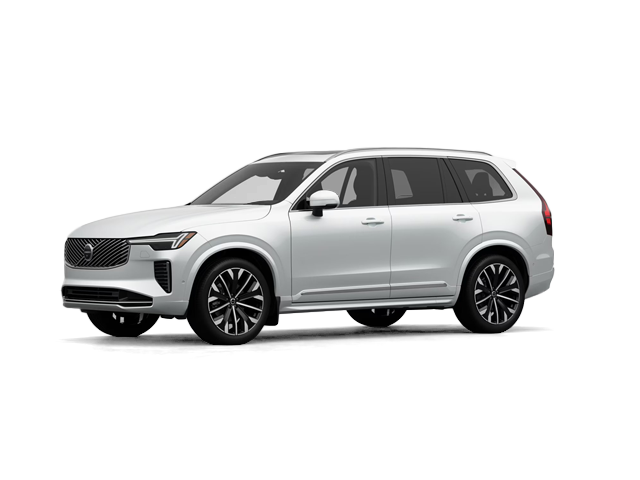
Photo for illustrative purposes only.
Find out moreVolvo Cars Oakville

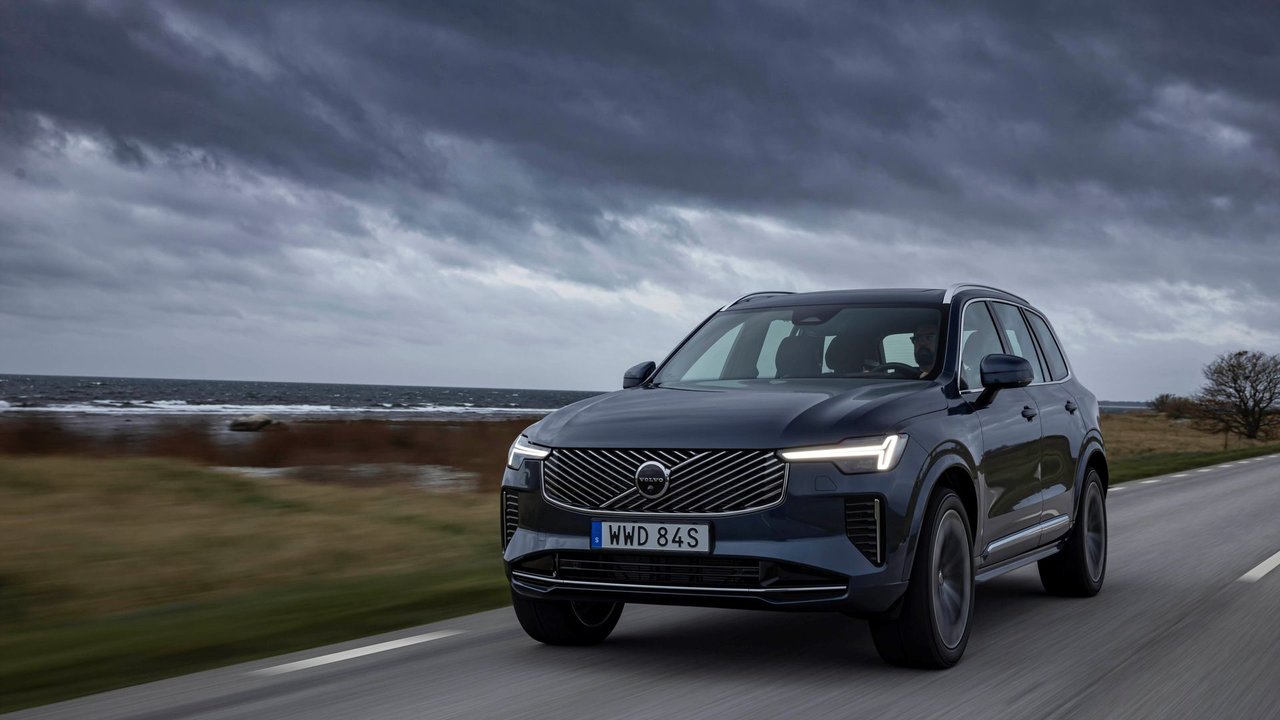
Choosing between the 2026 Volvo XC90 B6 AWD and the T8 Plug-in Hybrid is really a question about your driveway, not your driving. Both share the same body, the same seven-seat layout, and the same all-wheel-drive confidence. The difference comes down to whether a charging cord fits into your routine.
For Ontario shoppers without a home charger, that question matters more than any spec sheet. This guide breaks down how each powertrain behaves day to day, so you can match the XC90 to how you actually live with it.
|
Spec |
B6 AWD |
T8 Plug-in Hybrid |
|
Powertrain |
2.0 L turbo I4, mild hybrid |
2.0 L turbo I4 plus electric motor |
|
Horsepower |
295 hp |
455 hp (combined) |
|
Torque |
310 lb-ft |
523 lb-ft (combined) |
|
0-100 km/h |
6.7 s |
5.3 s |
|
Electric range |
Not applicable |
53 km |
|
Fuel economy (combined) |
10.4 L/100 km |
8.9 L/100 km |
|
Drivetrain |
AWD |
AWD |
|
Fuel type |
Premium |
Gasoline |
|
Seating |
7 |
7 |
Both versions run on the same AWD system, so traction on wet or snowy Ontario roads is not a point of difference here. The gap shows up in how each one wants to be fuelled.
The B6 AWD makes 295 hp and 310 lb-ft from its turbocharged 2.0 L four-cylinder, reaching 100 km/h in 6.7 seconds. It is a smooth, predictable setup that never asks you to think about the powertrain.
The T8 adds a 143 hp electric motor to the same 2.0 L engine, for a combined 455 hp and 523 lb-ft. That combination drops the sprint to 100 km/h to 5.3 seconds. In stop-and-go traffic, the electric motor’s 228 lb-ft fills in low-speed response before the engine even joins in, so the T8 feels quicker off the line around town.
On the highway, both settle into a similar cruising character since the T8 leans on its gas engine once battery charge runs low. The quicker acceleration is mostly a city and merging advantage, not a highway one.

Both versions share the same body, so the packaging differences are small. Behind the front seats, loaded to the roof, the B6 offers 1,950 L against 1,941 L in the T8. Behind the rear seats, the B6 holds 653 L to the window line versus 650 L in the T8, and with the second row folded, it’s 1,139 L against 1,130 L.
The few litres the T8 gives up go to housing its 18.8 kWh battery. For a family loading strollers, hockey bags, or luggage for a road trip, the difference is not something you would notice in daily use.
This is where the two setups actually diverge. The T8’s 53 km of electric range, drawn from a 14.7 kWh usable battery, covers a short urban commute or a school run entirely on electricity. A Level 2 charge takes about 5 hours to refill.
Without regular charging, the T8 simply runs as a heavier gas-powered SUV, still using its engine for most trips, but without the benefit of that electric-only range. The battery and motor add weight and complexity that only pay off when the plug gets used consistently.
A driver who can charge at work, at a public station on a regular schedule, or overnight most nights will use that 53 km window often enough to cut fuel stops meaningfully. A driver who cannot count on any of that ends up defaulting to the gas engine anyway, at which point the T8’s advantage becomes occasional rather than everyday.
The B6 skips that calculation entirely. Fill the tank, drive, repeat. Its 10.4 L/100 km combined rating against the T8’s 8.9 L/100 km is a real gap on paper, but that T8 number assumes regular charging. Run the T8 mostly on gas and the two get closer in real-world fuel use.
If your week is short urban trips and you have a predictable way to plug in, whether at work or a nearby public charger, the T8 turns that 53 km of electric range into real fuel savings and quicker in-town response. That’s the driver who benefits from the added complexity.
If your driving is mixed suburban routes, longer highway stretches, or you simply cannot plan around charging access, the B6 removes the guesswork. There is one fuel source, one routine, and no risk of the electric side sitting unused.
For families who want fewer variables to manage, especially with a third row full of passengers and a schedule that does not bend around a charging window, the B6 is the lower-friction choice. It carries the same seven-seat layout and AWD confidence without asking you to plan your errands around a plug.
The deciding question is simple: will the electric side get used often enough to change your daily routine? If yes, the T8 delivers a real advantage. If not, the B6’s straightforward gas-and-go pattern will feel like the easier ownership experience.
The 2026 XC90 gives Ontario buyers two ways to get the same seven-seat, all-wheel-drive SUV: a straightforward gas powertrain in the B6, or a quicker plug-in hybrid in the T8 that rewards regular charging. Your daily routine, not the spec sheet, decides which one fits.
Visit Volvo Cars Oakville in Oakville to sit in both versions and talk through your charging access with the sales team before you decide.
Photo for illustrative purposes only.
Find out more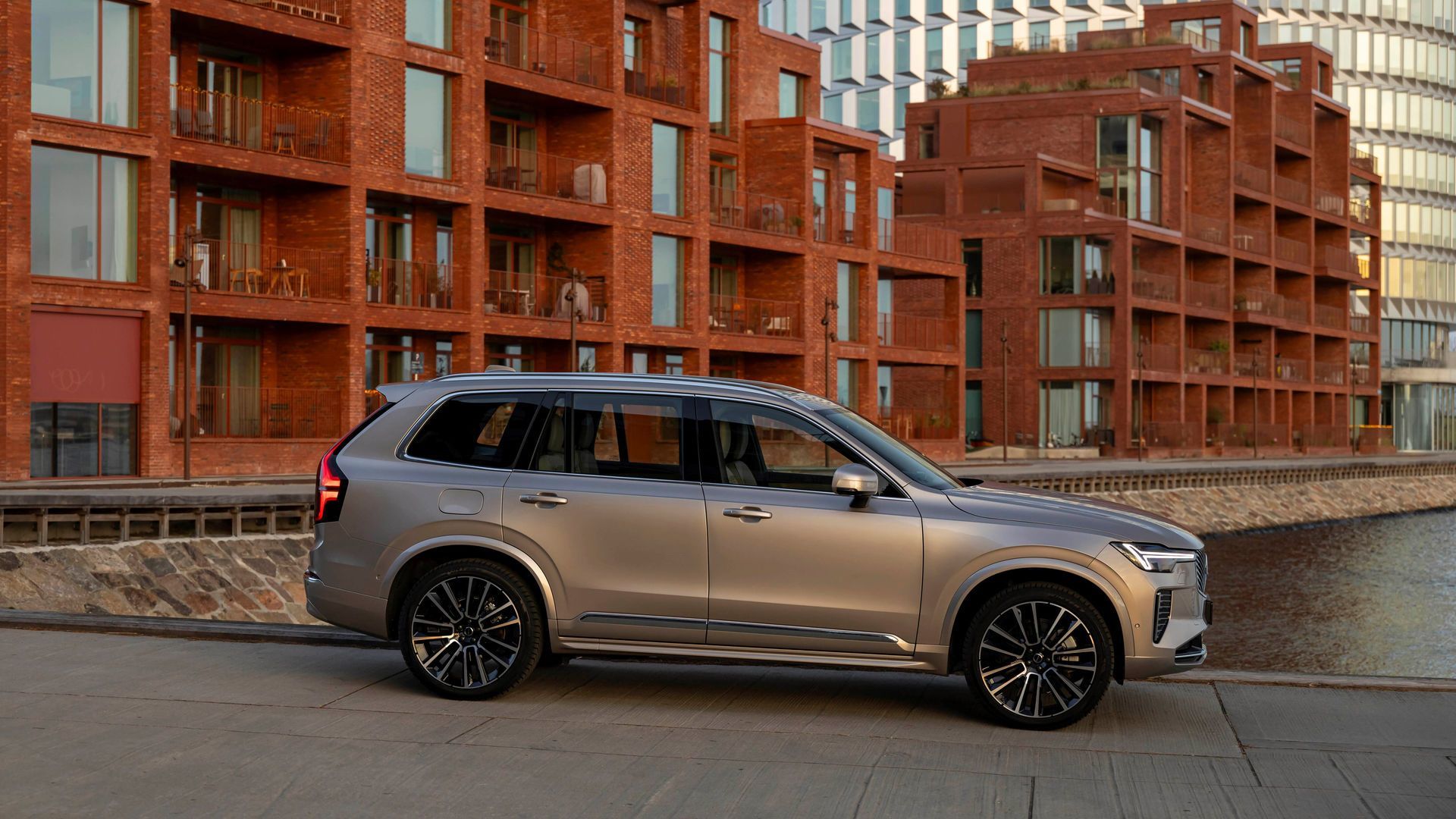
Active Air Suspension on the 2026 Volvo XC90 Ultra, Explained
A seven-seat SUV spends its life doing two different jobs: soaking up a rough commute and staying flat through a highway lane change with a full...
Read more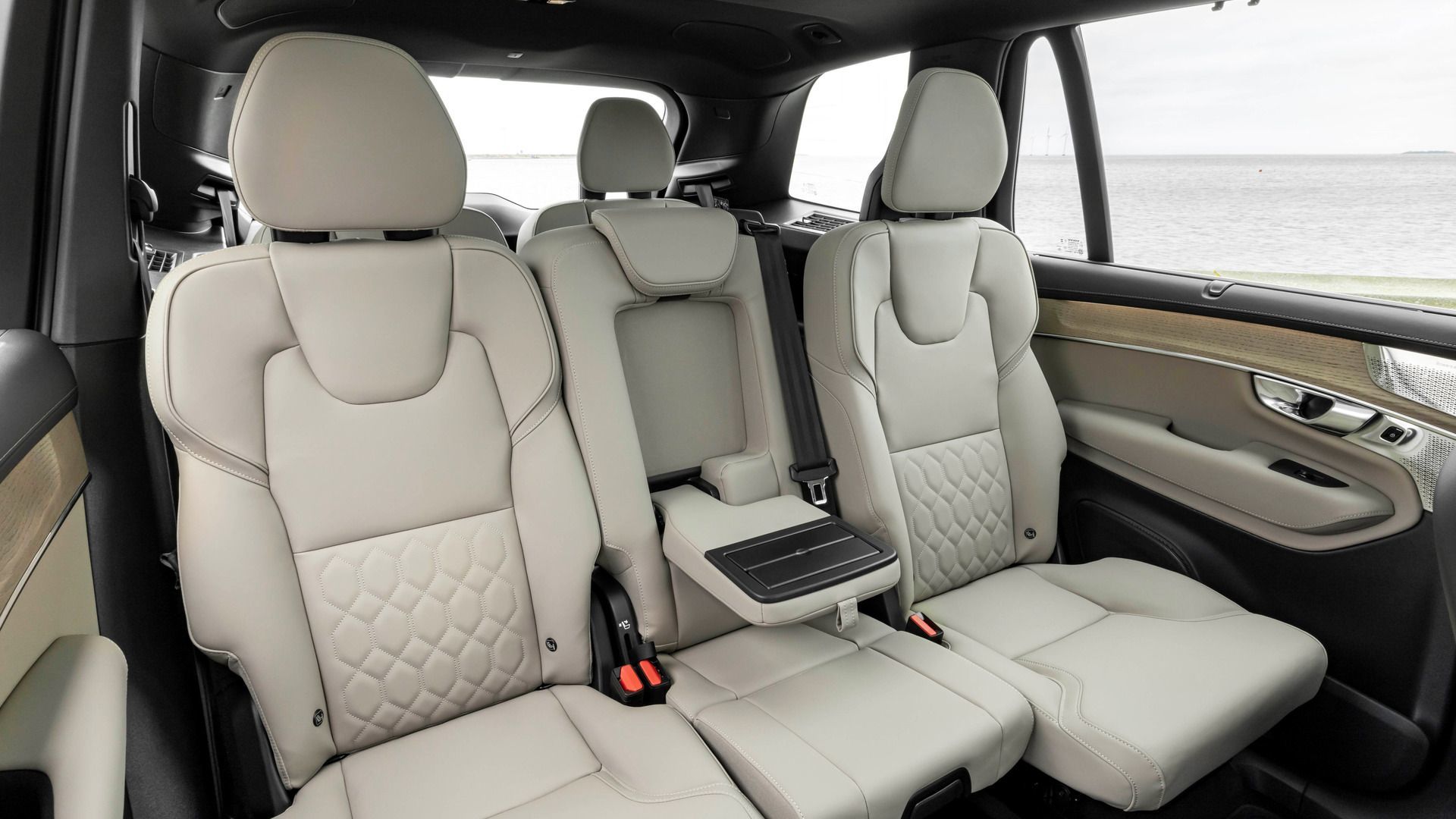
Integrated Booster Cushions: Which 2026 Volvo XC90 Trim Has Them Built In?
Shopping a three-row SUV with car-seat years still ahead means looking past horsepower and straight at the second row. For Ontario families...
Read more
Is the 2026 Volvo XC40 Big Enough for a Family of 4?
A compact SUV has to do a lot of jobs at once: car seat hauler, grocery getter, weekend escape vehicle. If you’re an Ontario family of two adults...
Read morePowered and developed by
