Active Air Suspension on the 2026 Volvo XC90 Ultra, Explained
A seven-seat SUV spends its life doing two different jobs: soaking up a rough commute and staying flat through a highway lane change with a full...
Read moreVolvo Cars Oakville

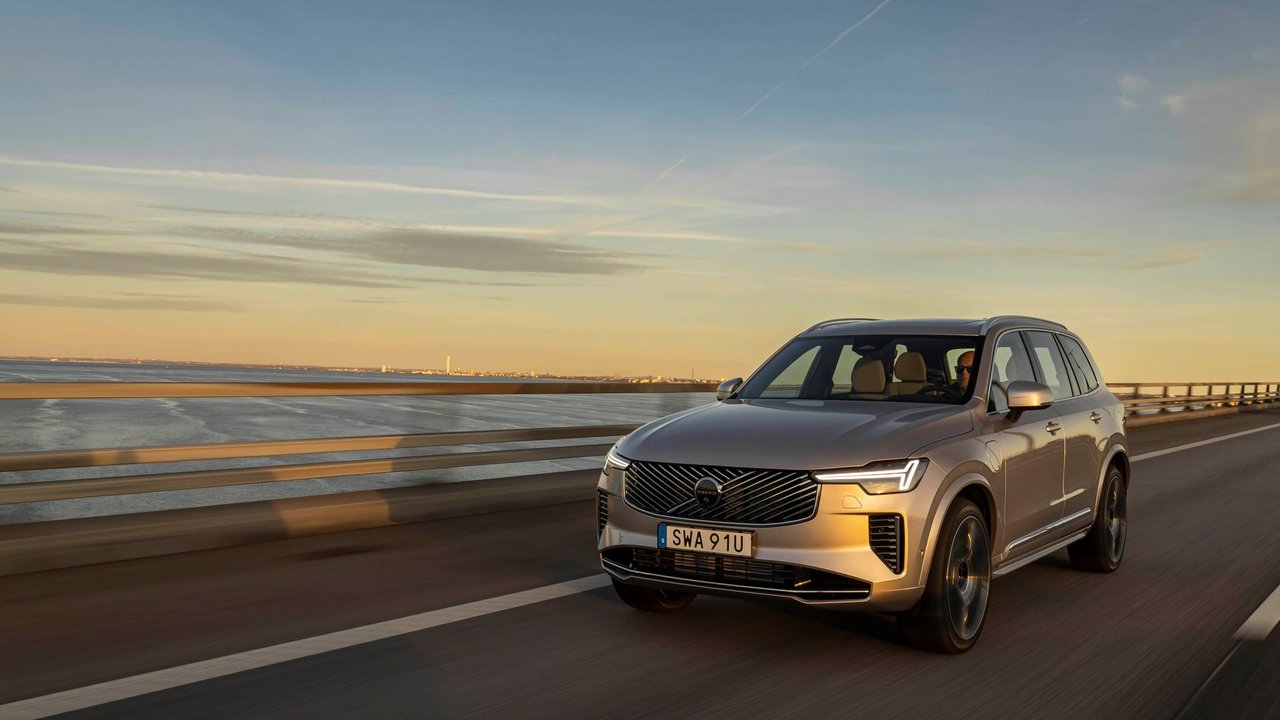
Finding the ideal three-row SUV means more than just counting seats—it's about understanding how your family actually uses the space. The 2026 Volvo XC90 Ultra offers two distinct seating layouts: the 6-passenger configuration with captain's chairs in the second row, and the traditional 7-passenger bench setup. Both deliver Volvo's signature Scandinavian design, advanced safety technology, and refined comfort, but each serves different family priorities.
Your choice between these configurations shapes your daily driving experience. This guide breaks down the practical differences to help you decide which XC90 Ultra layout fits your family's needs.
The 6-seat XC90 Ultra replaces the second-row bench with two individual captain's chairs separated by a centre aisle. This creates a more lounge-like atmosphere and transforms third-row access—passengers simply walk through the centre gap instead of folding and climbing over a seat. For families with older children, teens, or frequent third-row passengers, this configuration eliminates the awkward contortions of traditional three-row entry.
The 7-seat configuration maintains a traditional three-person bench in the second row. This layout prioritizes maximum occupancy over individual comfort, making it the practical choice for larger families, carpools, or anyone who regularly transports seven people. The bench folds in a 40/20/40 split, offering some flexibility for cargo while keeping two passengers seated.
Key Differences:
Both configurations share identical first-row dimensions, with 1,038 mm of legroom and 1,465 mm of shoulder width. The real differences emerge in rows two and three.
Second-row passengers in the 6-seat layout enjoy dedicated armrests, cupholders, and personal space boundaries—eliminating the middle-seat compromise entirely. Each captain's chair adjusts independently, and the 940 mm of legroom feels more generous without a centre occupant. Shoulder width measures 1,435 mm across both outer positions.
The 7-seat bench maintains the same 940 mm legroom and 1,435 mm shoulder width, but distributes this space across three positions instead of two. The centre position narrows slightly, and passengers share armrest territory. For shorter trips or younger children, this arrangement functions well. For longer journeys with adults or teens, the captain's chairs offer noticeably more comfort.
Third-row space remains consistent across both layouts: 811 mm of legroom and 1,192 mm of shoulder width. Headroom with the panoramic sunroof measures 923 mm in the third row—adequate for children and shorter adults, though taller passengers may prefer the first or second rows on extended drives.
Cargo volume in the XC90 depends on your powertrain choice, not your seating configuration. The B6 mild hybrid offers more cargo space than the T8 plug-in hybrid due to battery placement differences.
B6 Mild Hybrid (available in both 6-seat and 7-seat):
T8 Plug-in Hybrid (available in both 6-seat and 7-seat):
The T8's battery pack reduces cargo volume by approximately 40 litres in each configuration—roughly equivalent to one additional suitcase or a couple of hockey bags.
The real cargo flexibility difference lies in the bench's 40/20/40 split: you can fold just the centre section, carry two second-row passengers, and still slide longer items (skis, lumber) through the middle. The 6-seat layout requires folding an entire captain's chair to access similar cargo length, which means losing a passenger seat. If you regularly haul both people and bulky cargo simultaneously, the 7-seat's split bench offers more creative packing solutions.

The 6-seat configuration transforms third-row access. The walk-through aisle between captain's chairs allows third-row passengers—especially kids—to climb in and out independently without help. No leaning forward, no squeezing past a folded seat, no waiting for someone to exit first. For families with elementary or middle-school-aged children, this feature alone can justify the captain's chairs.
The 7-seat bench requires a more traditional approach: tip the seatback forward, fold the cushion, and step through the gap. Volvo's engineers have refined this mechanism for smooth operation, but it still requires coordination and patience—particularly in tight parking spaces or winter coats. If your third-row passengers are young children who need assistance anyway, the bench's access method poses little inconvenience. If they're older kids, teens, or grandparents who value independence, the captain's chairs deliver meaningful daily relief.
Choose the 6-Seat Captain's Chairs if:
Choose the 7-Seat Bench if:
Both configurations deliver the same exceptional Volvo safety systems, including collision avoidance technology that detects vehicles, pedestrians, cyclists, and large animals. Both offer the same legendary seating comfort in the first row, the same refined suspension tuning, and the same comprehensive suite of driver assistance features. The choice comes down to how you use the second and third rows—not the overall quality of the vehicle.
|
Measurement |
6-Seat |
7-Seat |
|
Second-Row Legroom |
940 mm |
940 mm |
|
Third-Row Legroom |
811 mm |
811 mm |
|
Second-Row Layout |
Captain's Chairs |
3-Person Bench |
|
Third-Row Access |
Walk-Through Aisle |
Fold-and-Climb |
Cargo Volume by Powertrain (both seating configs):
|
Configuration |
B6 Mild Hybrid |
T8 Plug-in Hybrid |
|
All Seats Up |
302 L |
262 L |
|
Third Row Folded |
680 L |
640 L |
|
Rows 2+3 Folded |
1,045 L |
1,005 L |
The best way to determine which seating layout suits your family is to experience both configurations during a test drive. Our team at Volvo Cars Oakville can walk you through the practical differences, demonstrate third-row access in both setups, and help you visualize how your family will use the space daily. Visit us in Oakville to explore the 2026 XC90 Ultra and find the configuration that fits your Ontario lifestyle.
Active Air Suspension on the 2026 Volvo XC90 Ultra, Explained
A seven-seat SUV spends its life doing two different jobs: soaking up a rough commute and staying flat through a highway lane change with a full...
Read more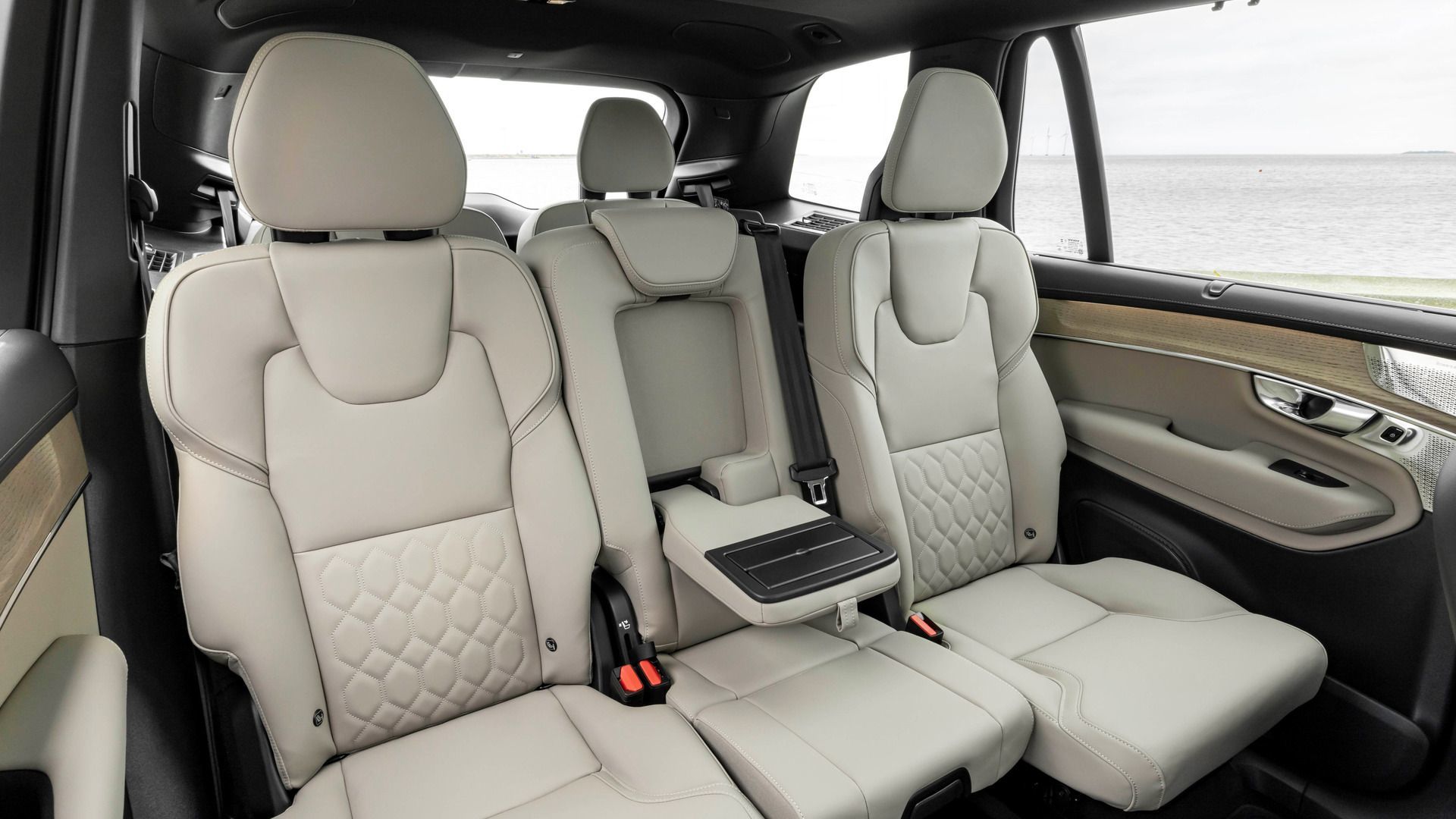
Integrated Booster Cushions: Which 2026 Volvo XC90 Trim Has Them Built In?
Shopping a three-row SUV with car-seat years still ahead means looking past horsepower and straight at the second row. For Ontario families...
Read more
Is the 2026 Volvo XC40 Big Enough for a Family of 4?
A compact SUV has to do a lot of jobs at once: car seat hauler, grocery getter, weekend escape vehicle. If you’re an Ontario family of two adults...
Read morePowered and developed by
