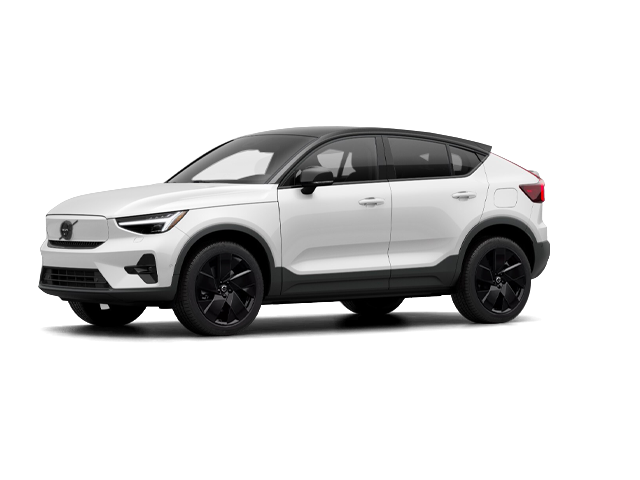
Photo for illustrative purposes only.
Find out moreVolvo Cars Oakville

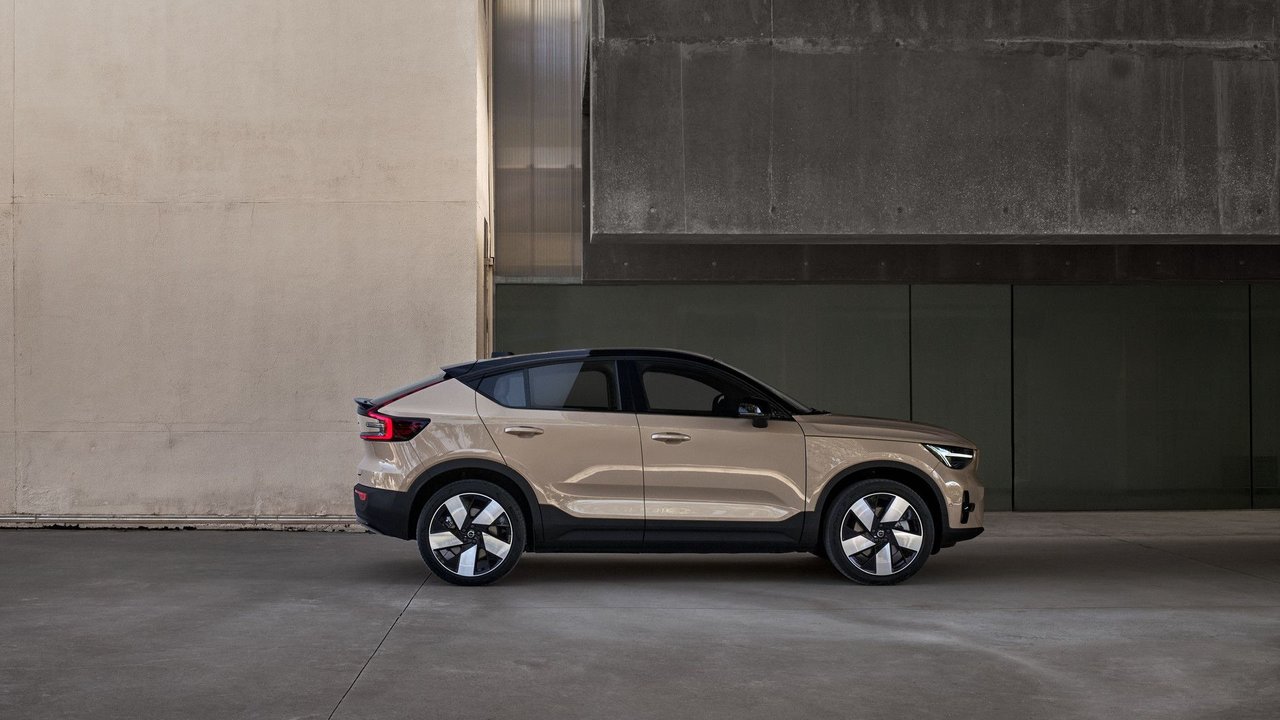
Choosing between the 2026 Volvo EC40 and EX40 comes down to one key question: do you prefer the sleek, coupe-inspired silhouette of the EC40, or the upright, versatile stance of the EX40? Both electric SUVs share Volvo's dedication to Scandinavian design, advanced safety technology, and zero-emission driving, but their distinct body styles create different ownership experiences. Understanding how their shapes influence practicality, aesthetics, and daily usability will help you make the right choice.
Both the EC40 and EX40 are built on Volvo's dedicated electric platform, offering twin-motor all-wheel drive, strong performance, and a premium interior. The EC40 emphasizes a sportier, more aerodynamic profile with its sloping roofline, while the EX40 prioritizes maximum headroom, cargo flexibility, and a commanding driving position.
The 2026 Volvo EC40 adopts a fastback roofline that flows smoothly from the windshield to the rear spoiler, creating a coupe-like profile. This design reduces visual bulk and enhances aerodynamic efficiency, giving the EC40 a more dynamic, road-focused appearance. The sloping rear window and integrated spoiler emphasize forward motion, appealing to drivers who value style and a lower, sportier stance.
In contrast, the 2026 Volvo EX40 features a traditional SUV roofline with a squared-off rear end and vertical tailgate. This upright design maximizes interior volume and cargo accessibility, making the EX40 the more practical choice for families or drivers who regularly haul gear. The taller greenhouse provides better outward visibility and a more commanding view of the road, reinforcing the SUV's versatile character.
Both models share Volvo's signature Thor's Hammer LED headlights, minimalist grille-free front fascia, and clean body lines. The choice between them is less about brand identity and more about whether you prioritize head-turning style or maximum utility.
The EC40's sloping roofline has a direct impact on rear headroom. While front passengers enjoy 955 mm of headroom with the panoramic roof, rear passengers experience slightly reduced clearance due to the coupe-style roof taper. Taller adults may find the rear seats less accommodating on longer trips, though legroom remains competitive at 917 mm for both models.
The EX40's upright roofline provides 974 mm of rear headroom with the panoramic roof, offering noticeably more space for rear passengers. This makes the EX40 the better choice for families with teenagers or adults who frequently ride in the back seat. Both models offer 1,040 mm of front legroom and similar hip room (1,390 mm front, 1,388 mm rear), ensuring front-seat comfort is identical.
Shoulder width is also comparable, with the EC40 offering 1,440 mm front and 1,429 mm rear, while the EX40 matches these figures closely. The key difference lies in the rear seating experience, where the EX40's taller roofline translates to a more open, airy cabin feel.
Cargo capacity is where the EC40's coupe styling makes the most substantial trade-off. With the rear seats up, the EC40 offers 410 litres of open luggage space (measured below the parcel shelf). The sloping rear glass limits vertical cargo height, making it less suitable for bulky items like strollers or large suitcases.
The EX40 provides notably more cargo flexibility. With the rear seats upright, the EX40 offers 410 litres of space below the parcel shelf (matching the EC40), but the vertical tailgate and squared-off cargo area make it easier to load taller items without obstruction. Both models offer 536 litres when measured to the headlining, and include 31 litres of frunk storage and 59 litres of underfloor storage compartments, adding practical space for charging cables or smaller gear.
When the rear seats are folded, the EC40 offers 965 litres of open cargo space, while the EX40 provides the same figure. However, the EX40's vertical rear opening and straight load floor make it easier to maximize that space with larger or irregularly shaped cargo.
Cargo Comparison:
|
Feature |
EC40 |
EX40 |
|
Rear Seats Up (Below Parcel Shelf) |
410 L |
410 L |
|
Rear Seats Up (To Headlining) |
536 L |
536 L |
|
Rear Seats Folded |
965 L |
965 L |
|
Frunk Storage |
31 L |
31 L |
|
Underfloor Storage |
59 L |
59 L |
|
Rear Cargo Opening |
Sloped |
Vertical |

Both the EC40 and EX40 are powered by twin electric motors delivering 402 hp and 494 lb-ft of torque, providing all-wheel drive and strong acceleration across all driving conditions. Both models share the same platform, battery technology, and suspension tuning, ensuring similar performance characteristics and confident handling in urban and highway settings.
The EC40's lower roofline and coupe-inspired shape could provide a slight aerodynamic advantage, potentially improving range efficiency at highway speeds. The EX40's taller profile creates slightly more wind resistance, though the difference in real-world driving is minimal. Both models deliver the instant torque and smooth power delivery expected from electric drivetrains, with responsive steering and composed handling.
Ground clearance, wheelbase, and track width are identical between the two models, meaning off-road capability and ride comfort are virtually the same. The choice between them does not compromise driving dynamics or all-weather confidence.
Both the EC40 and EX40 come equipped with Volvo's latest infotainment system, advanced driver assistance technologies, and premium interior materials. Standard features include a panoramic glass roof, digital driver display, and Volvo's suite of safety systems designed to protect occupants and prevent collisions.
The interior layout, seating position, and control interfaces are nearly identical, ensuring that buyers choosing based on body style do not sacrifice technology or convenience. Both models support over-the-air updates, allowing the vehicles to improve and gain new features over time.
The 2026 Volvo EC40 is the right choice if you prioritize style, prefer a sportier profile, and rarely need maximum cargo height. It appeals to drivers who value aesthetics and are willing to accept slightly reduced rear headroom in exchange for a more dynamic, coupe-like appearance. The EC40 works well for couples, small families, or individuals who use their SUV primarily for daily commuting and weekend getaways.
The 2026 Volvo EX40 is the better option if you need maximum rear passenger comfort, frequently haul larger cargo, or prefer a traditional SUV stance. Its vertical tailgate, taller roofline, and superior cargo accessibility make it the more practical choice for families, outdoor enthusiasts, or anyone who regularly transports bulky items. The EX40 delivers the same electric performance and premium experience with greater day-to-day versatility.
Both the 2026 Volvo EC40 and EX40 offer zero-emission driving, Scandinavian craftsmanship, and advanced safety technology. The decision comes down to whether you value coupe-inspired style or maximum SUV practicality. Visit our team at Volvo Cars Oakville to explore both models, compare their interiors, and experience the difference in person.
Photo for illustrative purposes only.
Find out more
A Fresh Face and a Smarter Cabin for the 2028 Volvo XC40
The 2028 Volvo XC40 gets a fresh face, a bigger screen, and a safety system with new hardware behind it. For Ontario shoppers already eyeing a...
Read more
Third-Row Climate Control on Every 2026 Volvo XC90 Trim
Third-row seats are only useful if the people sitting in them are comfortable. On the 2026 Volvo XC90, the climate system reaches all the way to...
Read more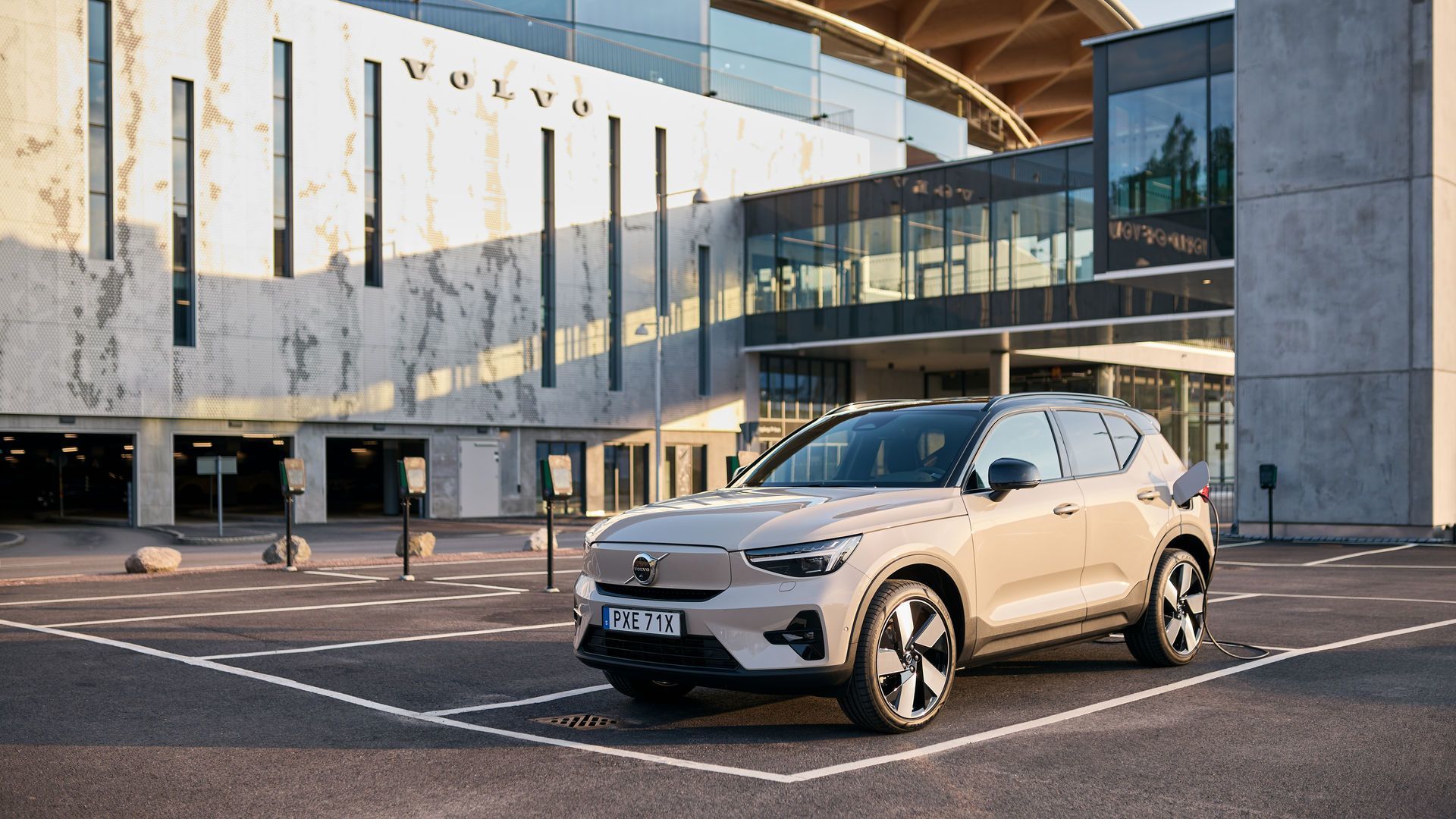
Keeping Winter Range Up in a 2026 Volvo EX40 With the Optional Heat Pump
October mornings are getting cooler, and for an EV shopper that raises a practical question: what does heating the cabin do to the day’s driving?...
Read morePowered and developed by
