
What Makes the 2026 Volvo XC90’s Infotainment System Effortless to Navigate on Long Drives?
A family road trip involves fuel stops, a change of drivers, a kid who wants the music switched, and a call that has to be taken hands-free. The...
Read moreVolvo Cars Oakville

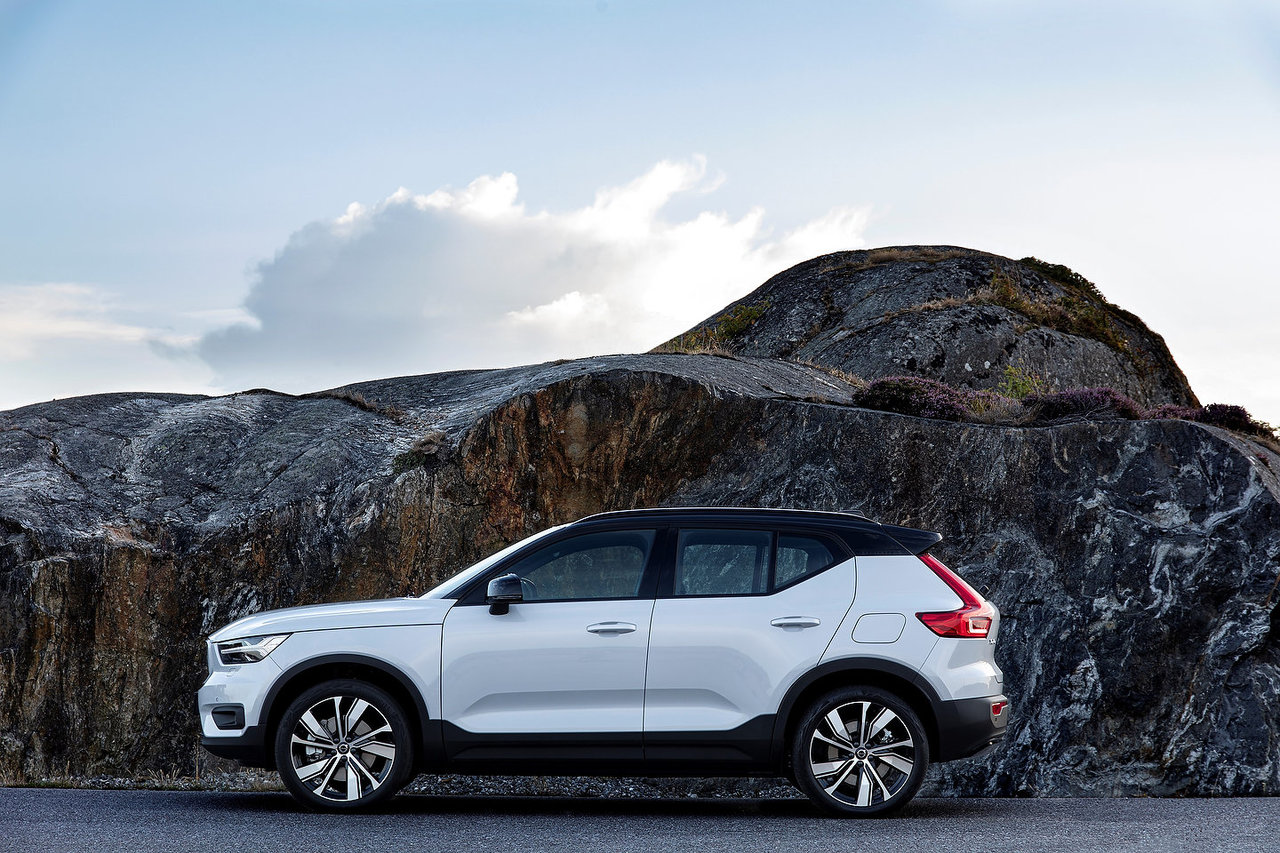
Volvo has a long heritage in terms of automotive safety, notably due to its invention of the three-point safety belt and the side airbags. Today, this tradition is honored by a number of technologies that help make every Volvo vehicle one of the safest in its category, attested by the Top Safety Pick + award given by the IIHS to all 2022 Volvo models.
The forward collision warning
Every Volvo vehicle is equipped with the forward collision warning, a system engineered to help avoid any frontal collision with another vehicle, with objects, with a large animal or even with pedestrians and cyclists. This means that as soon as a risk of accident is identified, the driver is warned by a loud sound, a visual alert and even a sensory cue created by the pulsing of the brakes. If the driver doesn’t respond, the vehicle will apply the brakes on its own in order to avoid the collision, which ensures the safety of everyone on board, but also those outside the vehicle.
The Run-off Road mitigation
Volvo vehicles are fitted with a system that prevents them from exiting their lane and into the oncoming traffic or down the shoulder. This system detects the road marking on the left and the road’s edge on the right and it takes action when it detects one of those boundaries is being crossed. If the vehicle is drifting left towards an oncoming car, the system will quickly bump the steering to the right and if it detects the vehicle drifting right, about to drop off the paved surface, it will apply the brakes to stop the car from driving down a into a ditch or an embankment.
The WHIPS system
Every Volvo vehicle made in the last twenty years has been equipped with the WHIPS whiplash protection system, a vital part of the front occupant protection in new Volvo vehicles. This system uses a deformable hinge in the front seatbacks that allows the seat to recline slightly in a rear impact in order to better cushion the force and control the occupant’s movement. A specially designed headrest is also part of this system and it increases its effectiveness by reducing the distance between the head and the seat in normal driving, which protects the neck from violent movements.
What Makes the 2026 Volvo XC90’s Infotainment System Effortless to Navigate on Long Drives?
A family road trip involves fuel stops, a change of drivers, a kid who wants the music switched, and a call that has to be taken hands-free. The...
Read more
Softening Every Commute With the 2026 Volvo XC40’s Premium Seating and Cabin Materials
Commuting through Ontario often means stop-and-go traffic, temperature swings, and long stretches behind the wheel before you even reach the...
Read more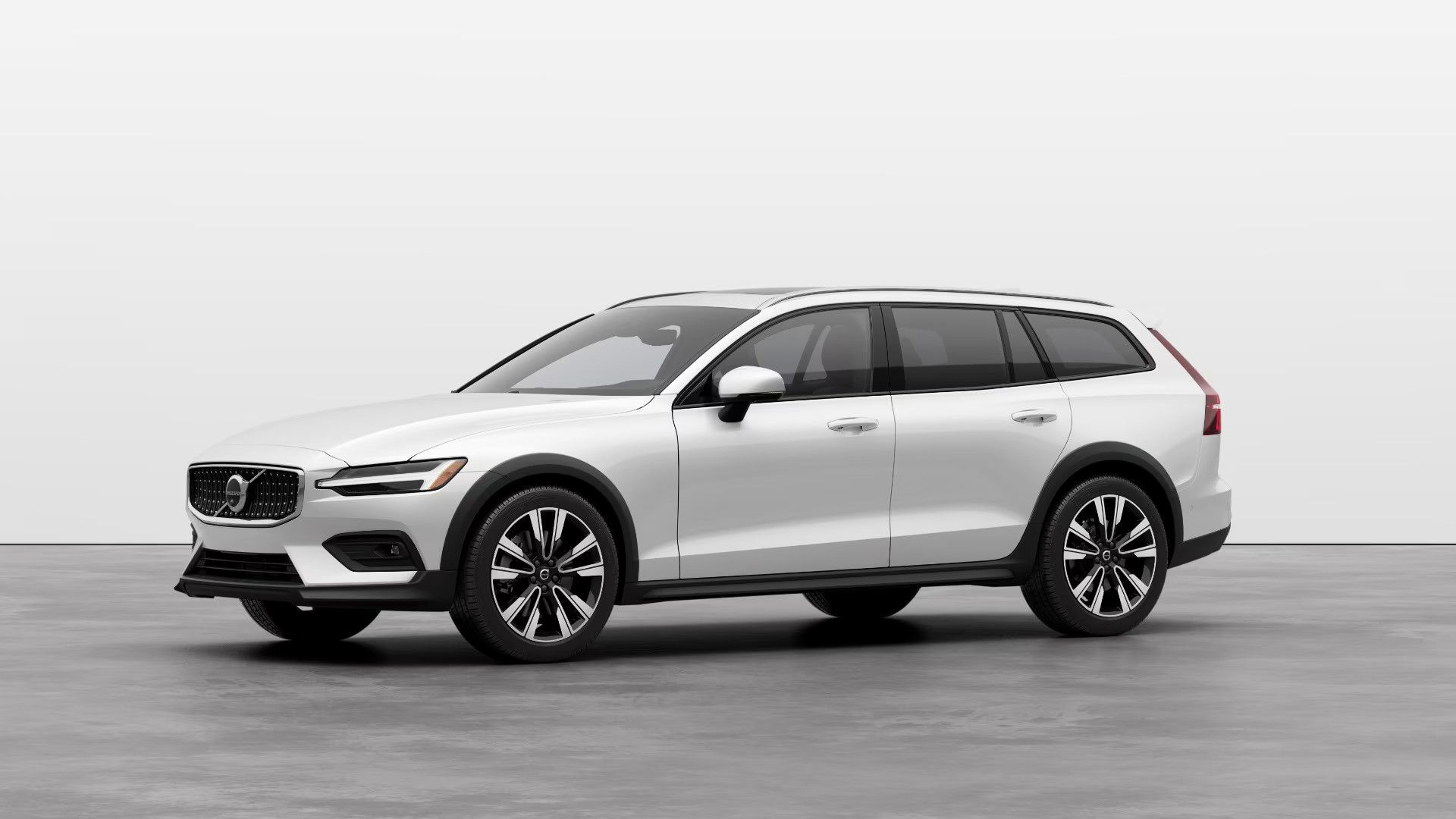
Easing Highway Fatigue With the 2026 Volvo V60 Cross Country’s Pilot Assist and Cabin Refinement
A two-hour highway stretch feels different depending on what’s happening inside the cabin. Constant small steering corrections, a seat that stops...
Read morePowered and developed by
