
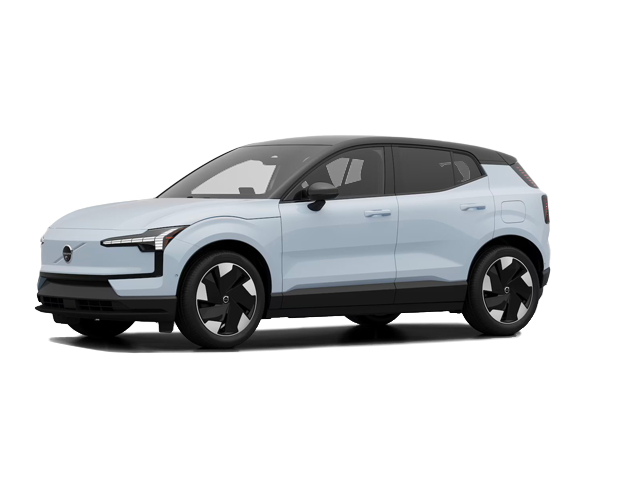
Photo for illustrative purposes only.
Find out moreVolvo Cars Oakville
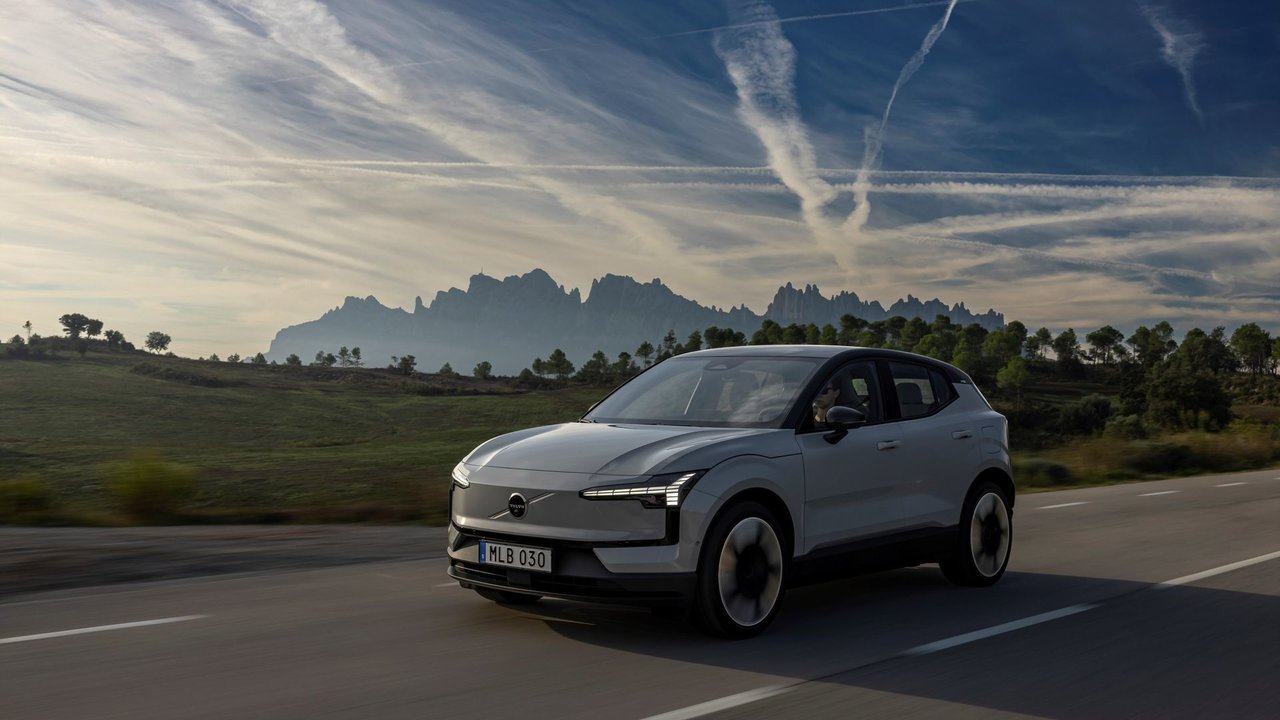
Choosing between the 2026 Volvo EX30 Single Motor and Twin Motor comes down to how you actually drive, not which one sounds more powerful on paper. Ontario shoppers deal with a real mix of conditions: dry summer commutes now, wet fall roads and eventual winter driving later.
This guide lines up both EX30 powertrains against those everyday situations, so you can match the one that fits your driving instead of guessing from a spec sheet.
The two powertrains split mainly on drive layout and which trims offer them, not on charging hardware or drive tech. Here is how they compare.
|
Feature |
Single Motor Extended Range |
Twin Motor Performance |
|
Drive configuration |
Rear-wheel drive (RWD) |
All-wheel drive (AWD) |
|
Available trims |
Core, Plus, Ultra |
Plus, Ultra |
|
Electric range |
Up to 475 km |
Tuned for power and traction over maximum range |
|
Onboard charger |
11 kW |
11 kW |
|
One-pedal drive |
Standard |
Standard |
|
Drive modes |
Available |
Available |
Both powertrains share the same 11 kW onboard charger and the same one-pedal drive and drive mode setup. The real differences show up in how power reaches the road and which trims you can pair each one with.
Single Motor sends power to the rear wheels only. It is the simpler, lighter setup, and its Extended Range badge signals a tune built around going farther on a charge rather than accelerating harder off the line.
Twin Motor adds a second motor over the front axle, splitting power across both axles for all-wheel drive. Its Performance name reflects a tune built for stronger acceleration and better grip when traction gets harder to find.
If your week is mostly paved commuting on dry roads with the occasional highway stretch, Single Motor’s rear-wheel layout works because it keeps the car simple and efficient without asking for grip you don’t need. If your daily route includes steep driveways, gravel, or unpredictable weather, Twin Motor’s AWD works because it puts power down at both axles instead of one.
Comfort chassis tuning and the full set of drive modes are standard on every EX30 trim, so neither powertrain sacrifices ride comfort or mode selection to get its advantage.

Single Motor Extended Range is rated up to 475 km, which covers most Ontario commuters with room to spare between charges. Twin Motor trades some of that range for the extra motor and AWD hardware, prioritizing power and traction instead of maximizing distance per charge.
Both powertrains use the same 11 kW onboard charger, so overnight Level 2 charging at home works the same way regardless of which one you choose. Real-world range on either powertrain will move with temperature, driving style, and how much highway driving you do, which matters heading into cooler months.
If covering the most distance between charges is your priority, Single Motor Extended Range works because its higher-range tune is built for exactly that. If you’re willing to trade a bit of range for AWD traction, Twin Motor works because the extra motor is there specifically to put power down at both axles.
Powertrain choice and trim choice are two separate decisions. EX30 Core comes with Single Motor Extended Range only; Twin Motor Performance is not offered on Core. EX30 Plus and EX30 Ultra offer both Single Motor Extended Range and Twin Motor Performance, so the powertrain decision on those two trims is entirely yours.
Many comfort and tech features track the trim, not the powertrain. Plus and Ultra add a fixed panoramic roof, a power tailgate, two-zone climate control, wireless phone charging, and Harman Kardon Premium Sound, none of which are tied to which motor configuration you pick. Core instead includes a High Performance audio system of its own and a one-zone climate system.
Ultra alone adds the more advanced driver assistance features: Pilot Assist, Park Pilot Assist, a 360-degree camera with 3D view, and lane change assist. If those features matter to you, they point to Ultra specifically, independent of whether you choose Single Motor or Twin Motor underneath it.
For the daily commuter who spends most driving time on paved city streets and highways and wants the most range between charges, the Single Motor Extended Range is the better fit. It is available from the Core trim up, keeping the door open to a straightforward, efficient EX30 without paying for traction hardware you may rarely use.
For the driver who regularly faces steep grades, gravel, or wants stronger acceleration and all-weather grip, the Twin Motor Performance is the better fit. It requires stepping up to Plus or Ultra, but it delivers AWD traction and a sportier tune that the Core-only Single Motor setup doesn’t offer.
Neither powertrain is the wrong choice. They are built for different driving patterns, and matching one to how you actually use the vehicle matters more than picking the one with the bigger badge.
The 2026 Volvo EX30 offers two distinct ways to drive: an efficient rear-wheel drive Single Motor built for range, and an all-wheel drive Twin Motor built for traction and stronger acceleration. Trim level determines which one you can pick, with Core limited to Single Motor and Plus or Ultra opening up both.
Visit Volvo Cars Oakville in Oakville, Ontario to sit in the EX30 lineup, ask about trim-specific features like Pilot Assist and Harman Kardon Premium Sound, and work with the team to find the powertrain and trim that fits your driving.
Photo for illustrative purposes only.
Find out more
A Fresh Face and a Smarter Cabin for the 2028 Volvo XC40
The 2028 Volvo XC40 gets a fresh face, a bigger screen, and a safety system with new hardware behind it. For Ontario shoppers already eyeing a...
Read more
Third-Row Climate Control on Every 2026 Volvo XC90 Trim
Third-row seats are only useful if the people sitting in them are comfortable. On the 2026 Volvo XC90, the climate system reaches all the way to...
Read more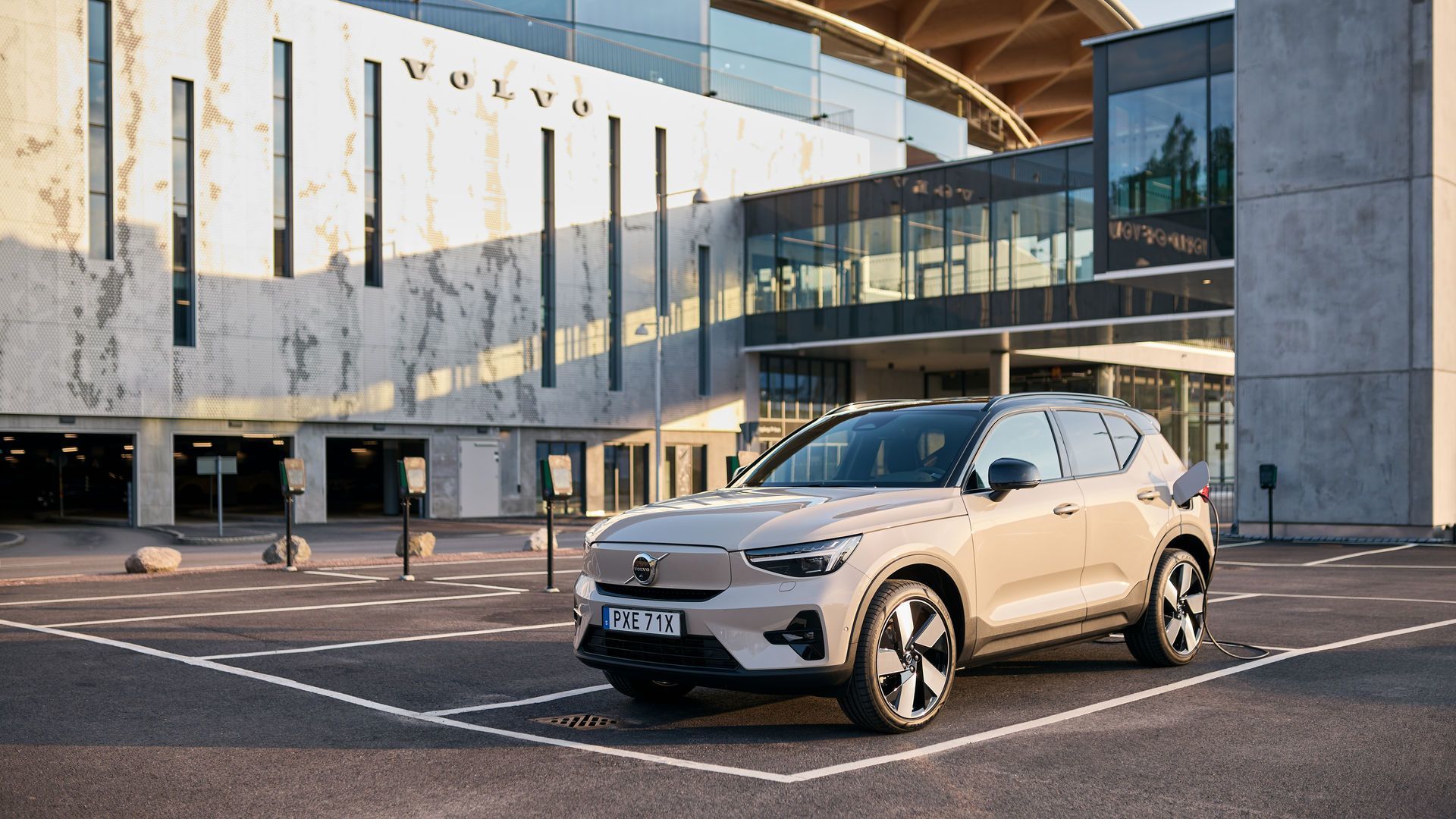
Keeping Winter Range Up in a 2026 Volvo EX40 With the Optional Heat Pump
October mornings are getting cooler, and for an EV shopper that raises a practical question: what does heating the cabin do to the day’s driving?...
Read morePowered and developed by
